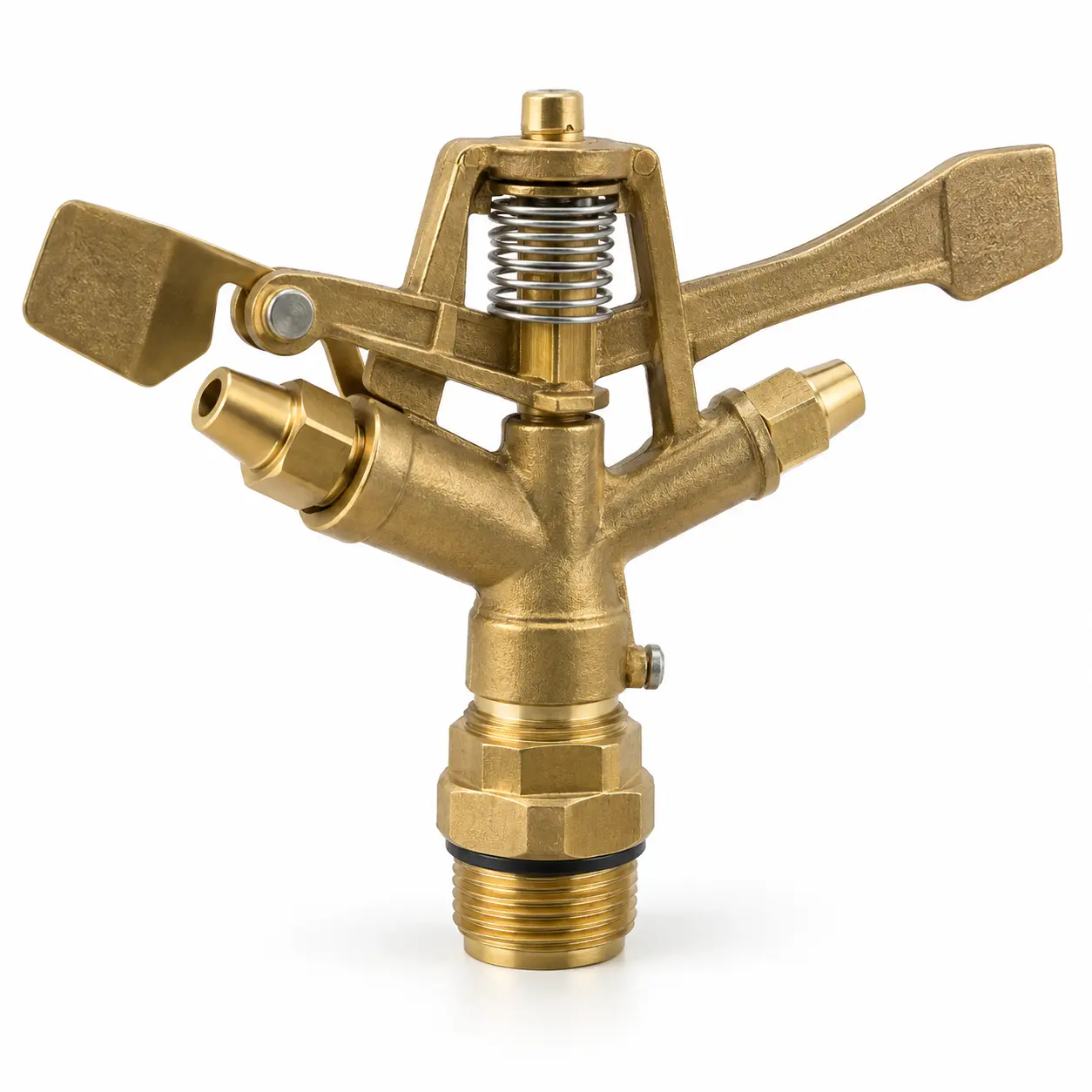
Heavy-duty impact sprinkler for field crops, nurseries and open agricultural areas. Select nozzle, pressure and spacing to achieve the required application rate and overlap while accounting for wind and available pump flow.
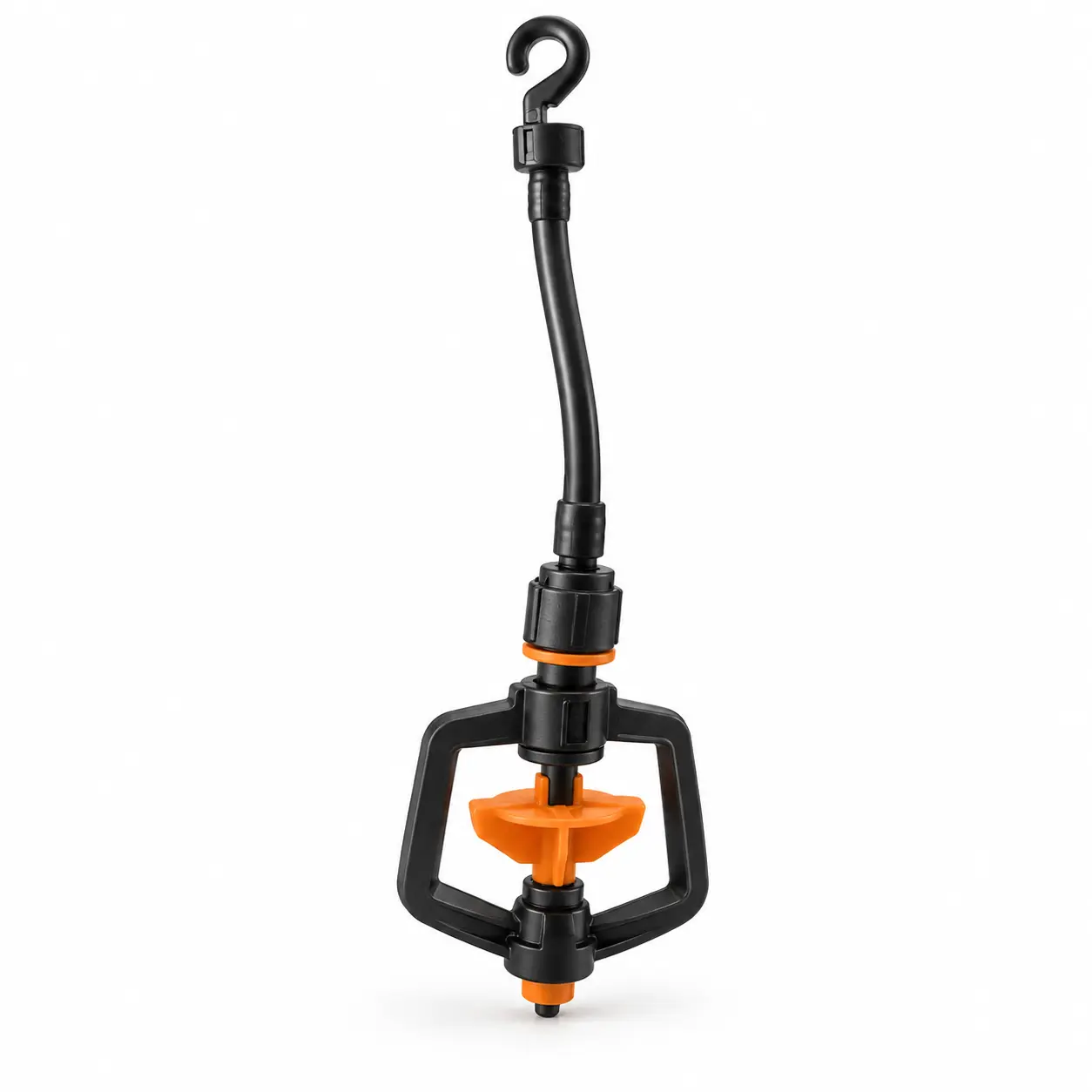
Hanging micro-sprinkler for overhead irrigation of nursery benches, propagation areas and greenhouse crops. The anti-drain valve supports clean pulse operation; verify mounting height, pressure, spacing and overlap before installation.
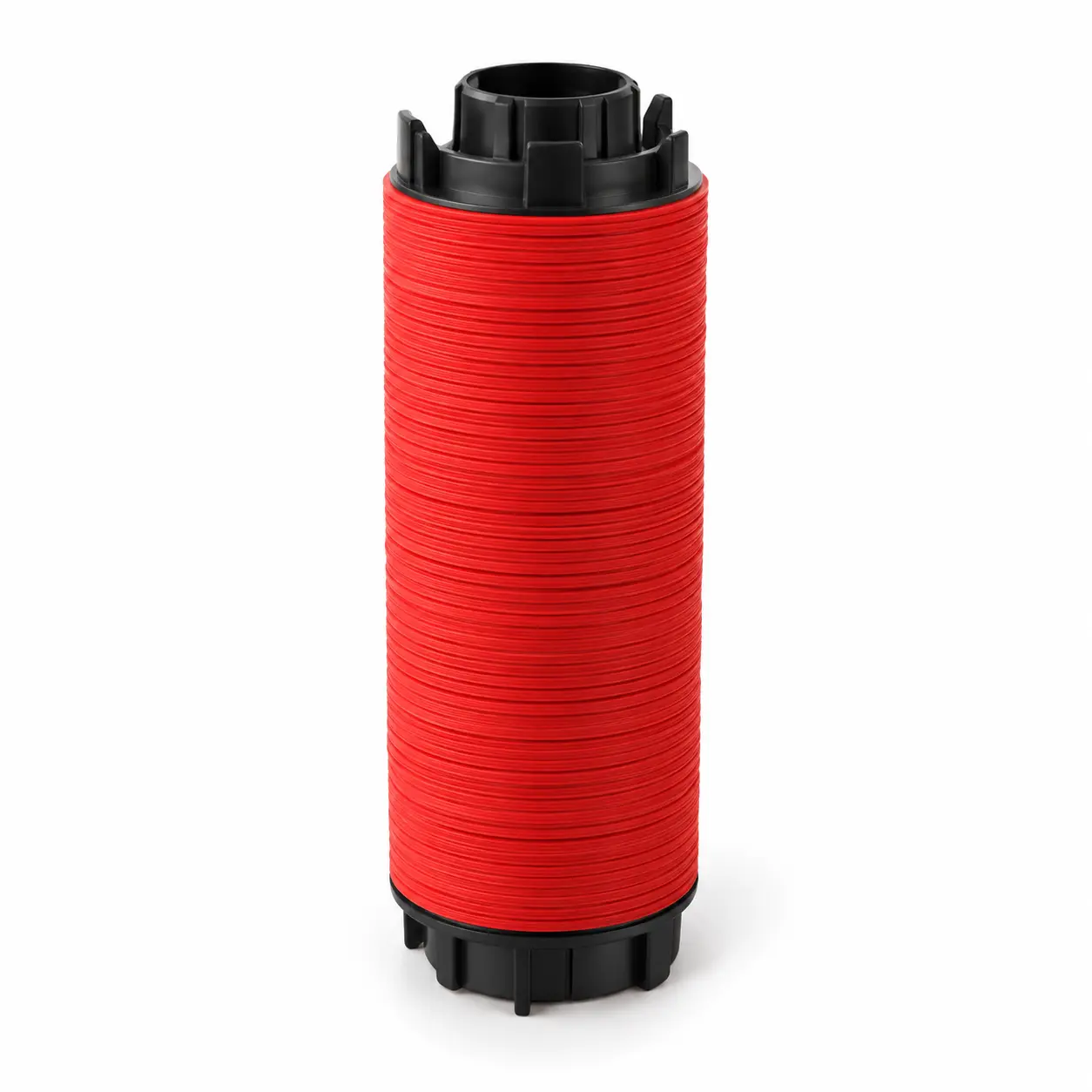
Replacement grooved-disc stack for compatible irrigation filter bodies. Match the element dimensions and filtration grade exactly, clean discs without damaging their grooves and replace warped or permanently blocked components.
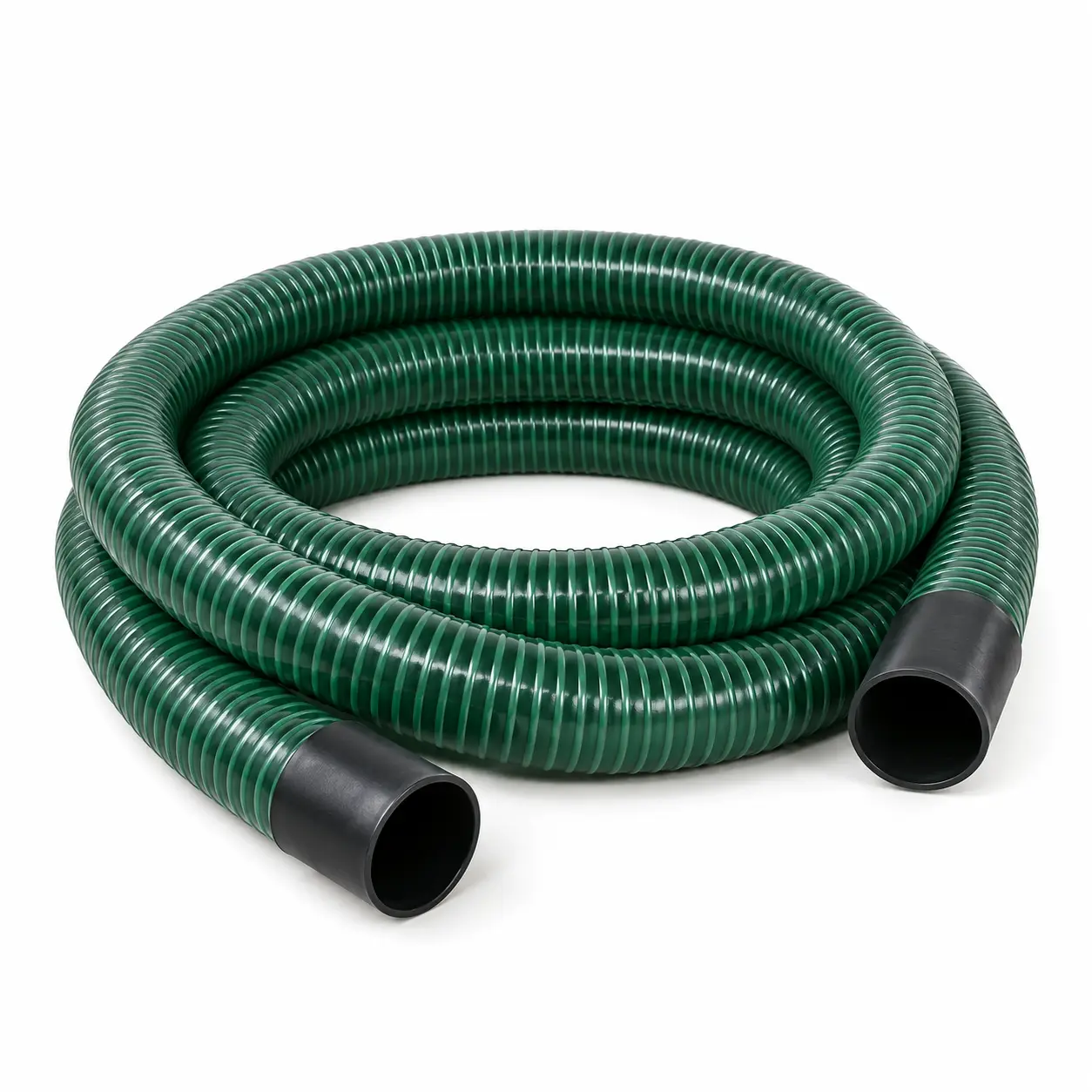
Vacuum-resistant spiral hose for agricultural pump suction lines and mobile irrigation equipment. Keep the run short and continuously rising toward the pump, seal every connection and avoid bends that can restrict flow or trap air.
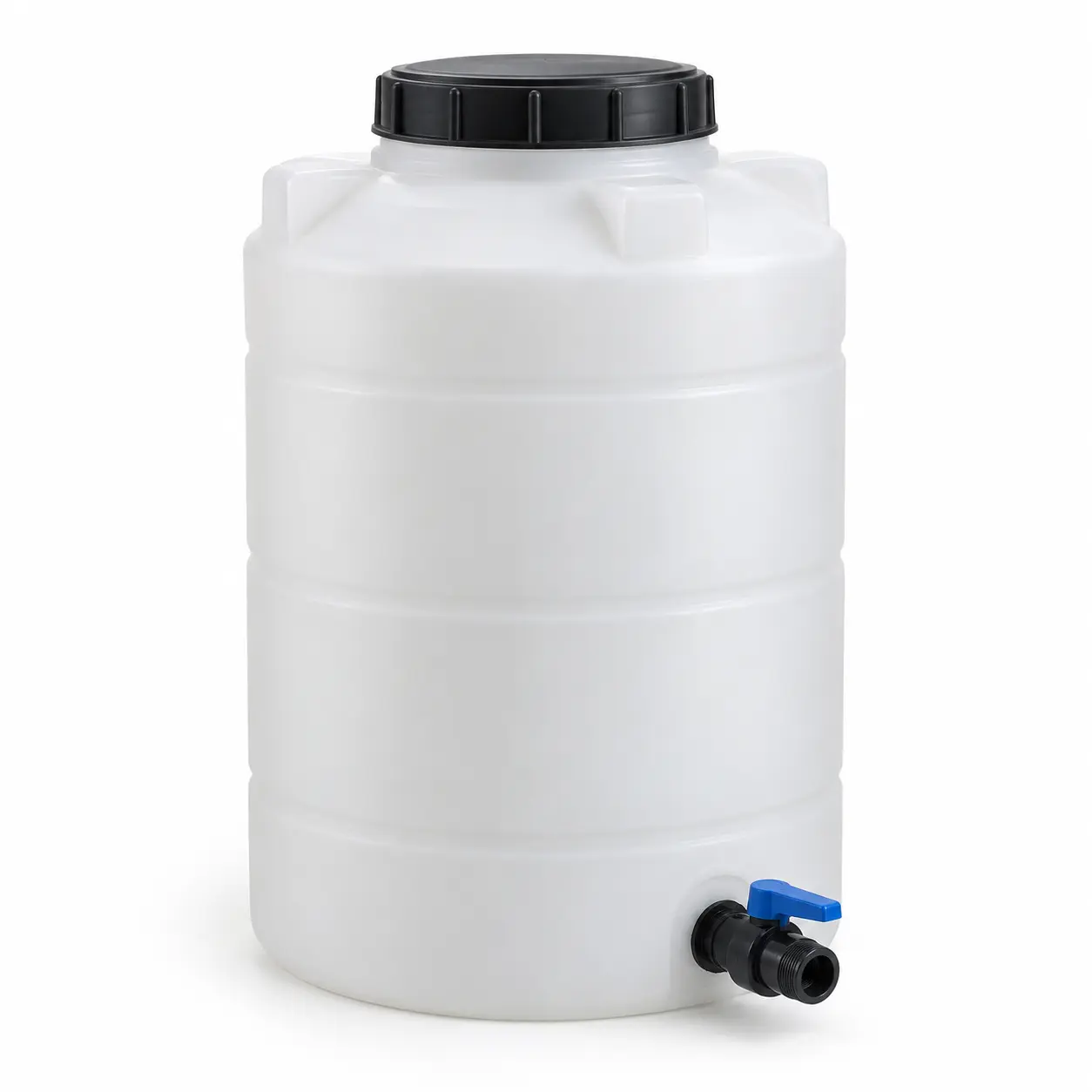
Chemical-resistant polyethylene tank for preparing concentrated A, B, acid or compatible treatment stock solutions. Use separate tanks for incompatible concentrates, provide secure lids and secondary containment, and rinse between formulations.
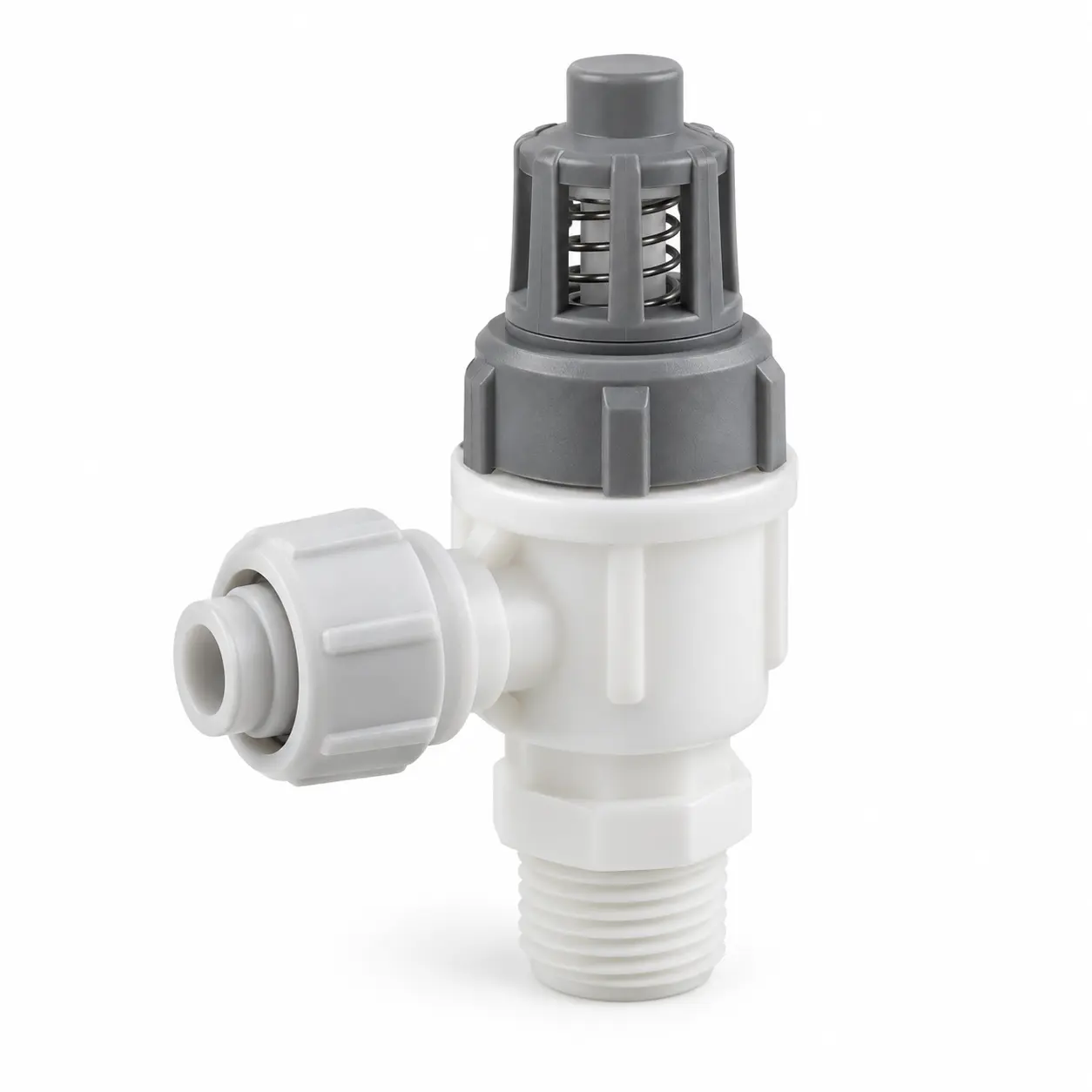
Spring-loaded injection valve for connecting compatible dosing tubing to a pressurized irrigation line while limiting reverse flow. Confirm chemical compatibility, cracking pressure, thread standard and service access before installation.
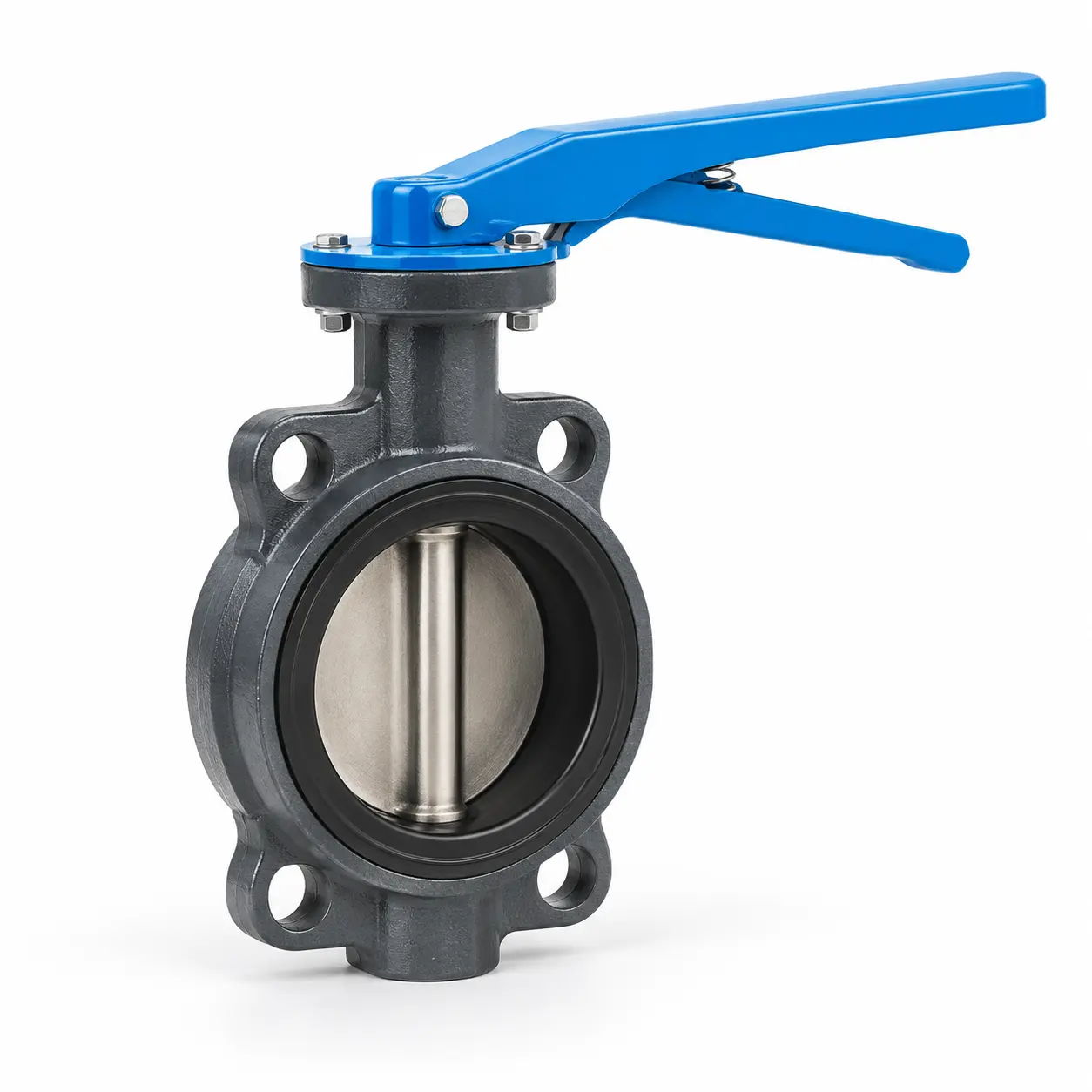
Compact wafer-style butterfly valve for manual isolation and flow control in large irrigation mains and pump-room manifolds. Confirm flange standard, face-to-face clearance, liner material and operating torque before installation.
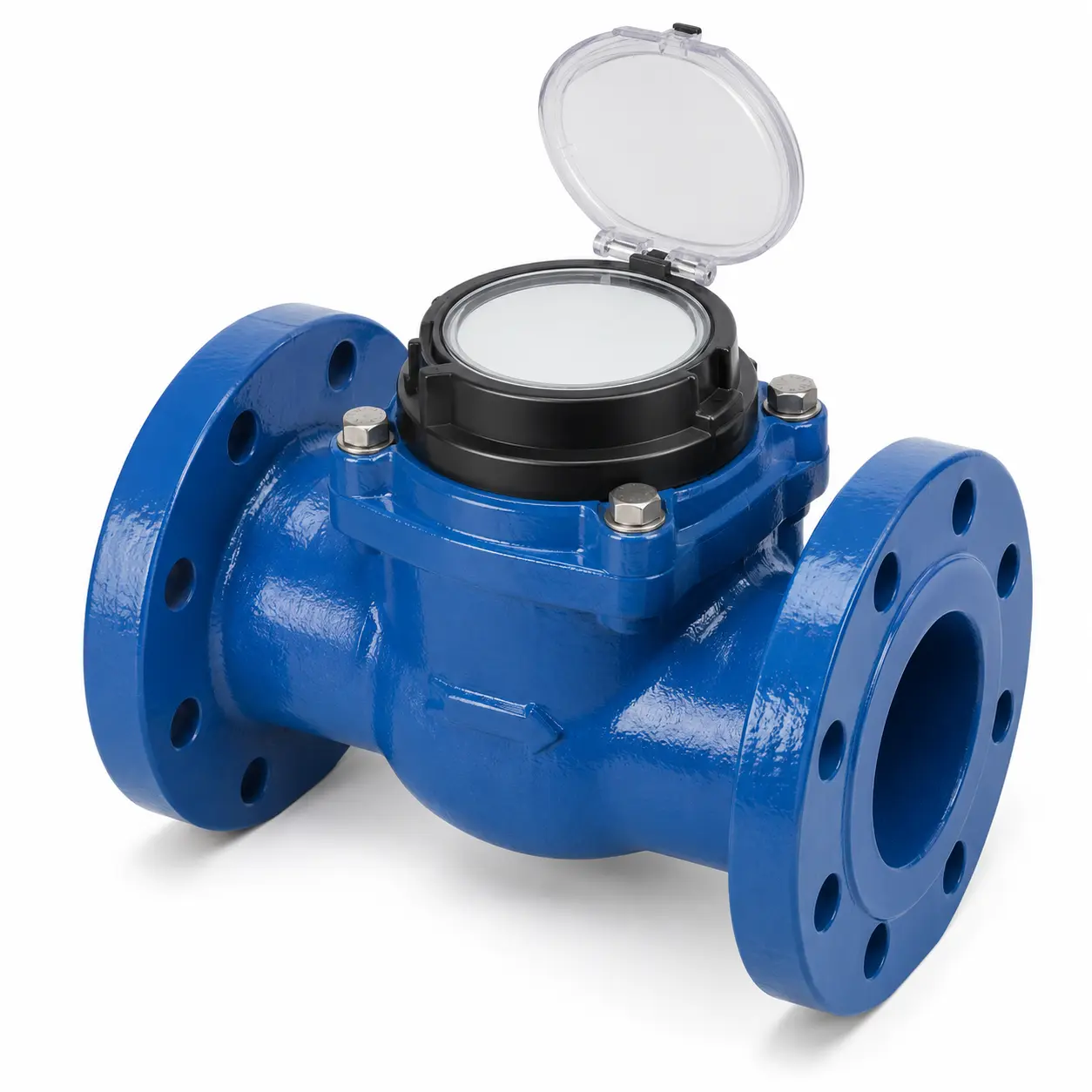
High-flow flanged water meter for recording pump-station, mainline or block irrigation volumes. Size it for the normal operating range, provide the required straight pipe lengths and verify orientation and pulse-output compatibility.
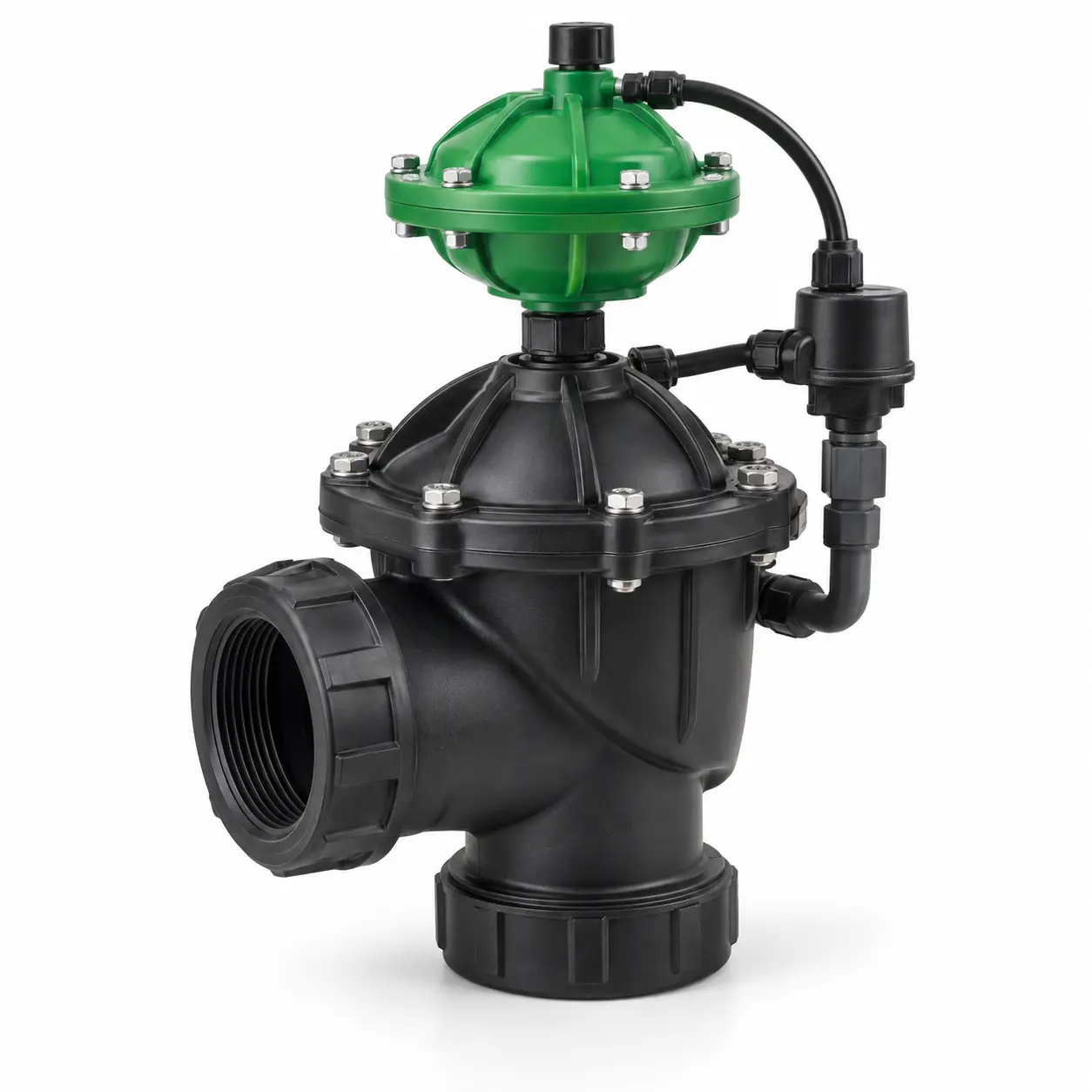
Hydraulic angle valve for switching an irrigation filter between filtration and backwash flow paths. Match port geometry, command pressure and diaphragm materials to the filter station and confirm the sequence under full design flow.
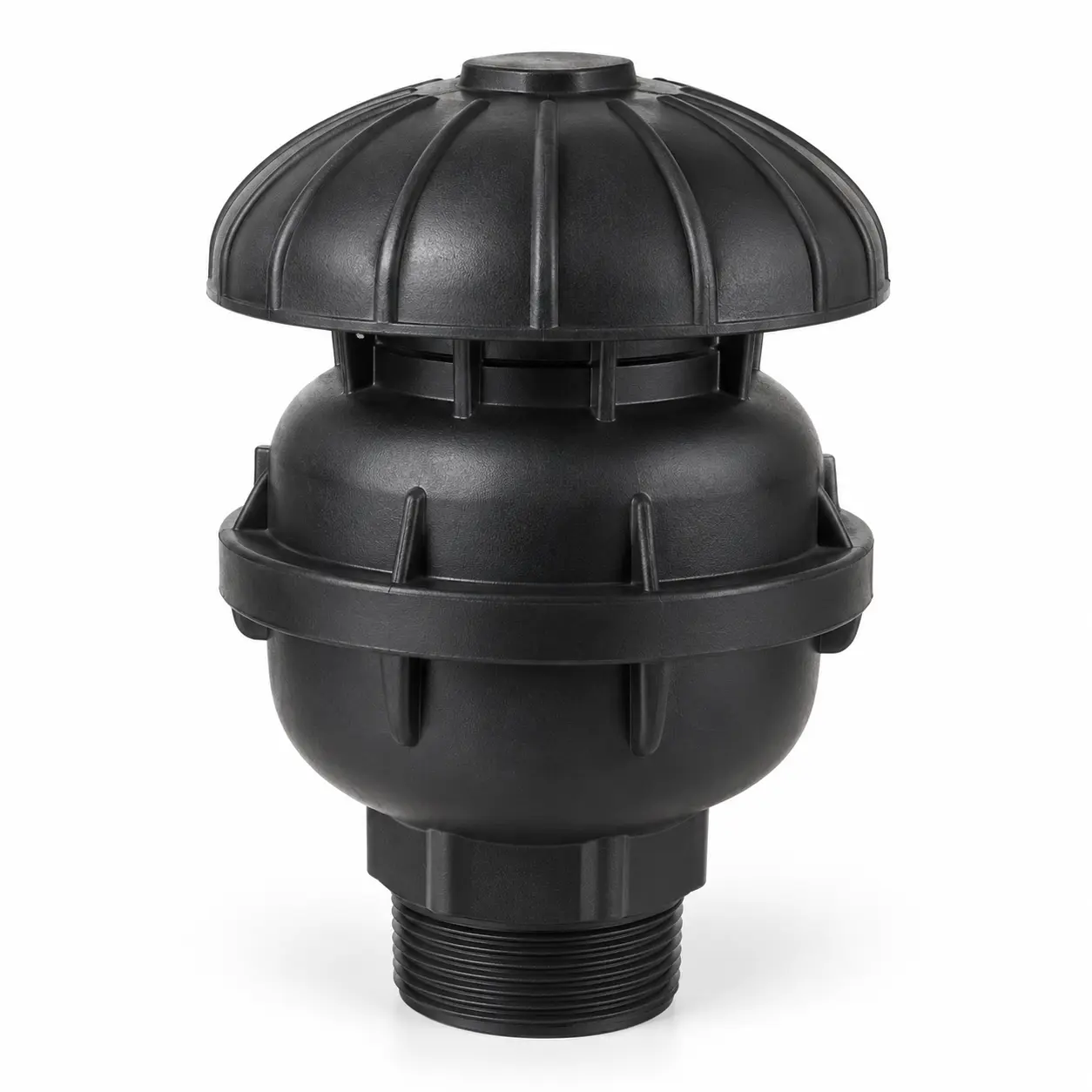
High-capacity valve for discharging bulk air while large irrigation mains fill and admitting air during rapid draining. Install vertically at hydraulic high points and confirm sizing against pipe diameter, filling velocity and collapse risk.
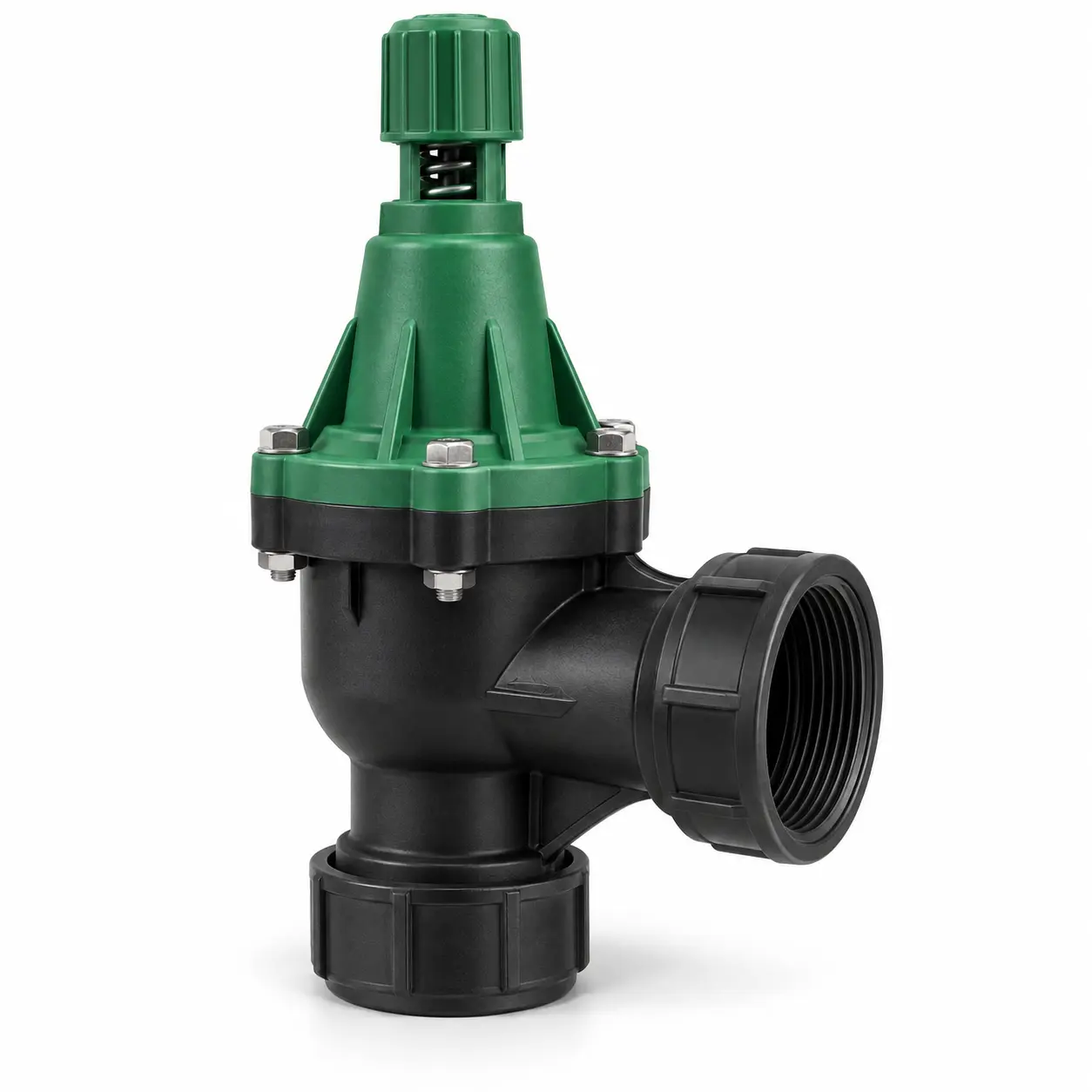
Adjustable relief valve for discharging excess pressure caused by pump operation, valve closure or abnormal irrigation conditions. Set and test it against the approved system pressure and route discharge water to a safe location.
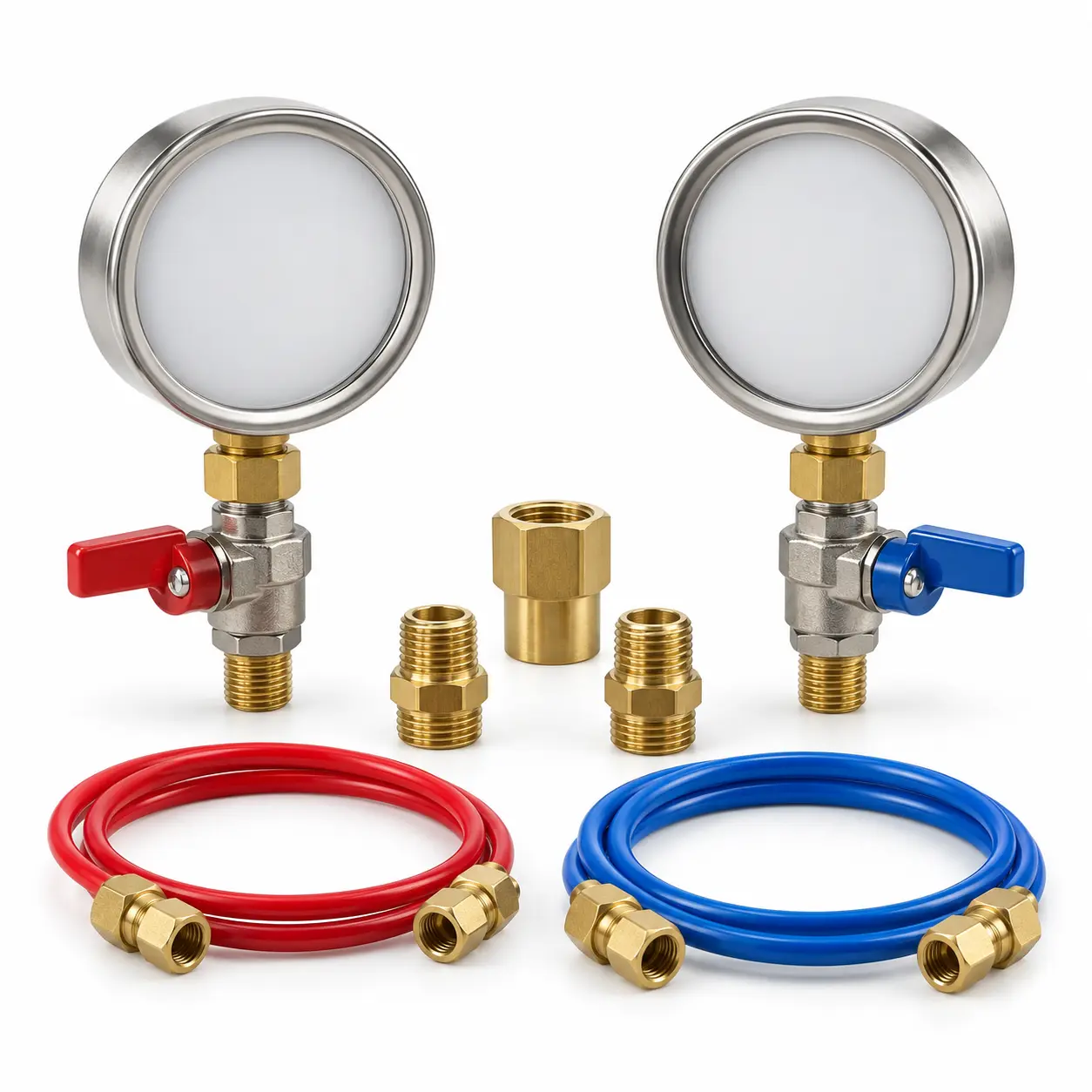
Dual-point monitoring kit for comparing pressure across filters, regulators or irrigation manifolds. The isolation cocks protect the instruments during service; select the final gauge range and adapters to suit operating pressure and connection standards.
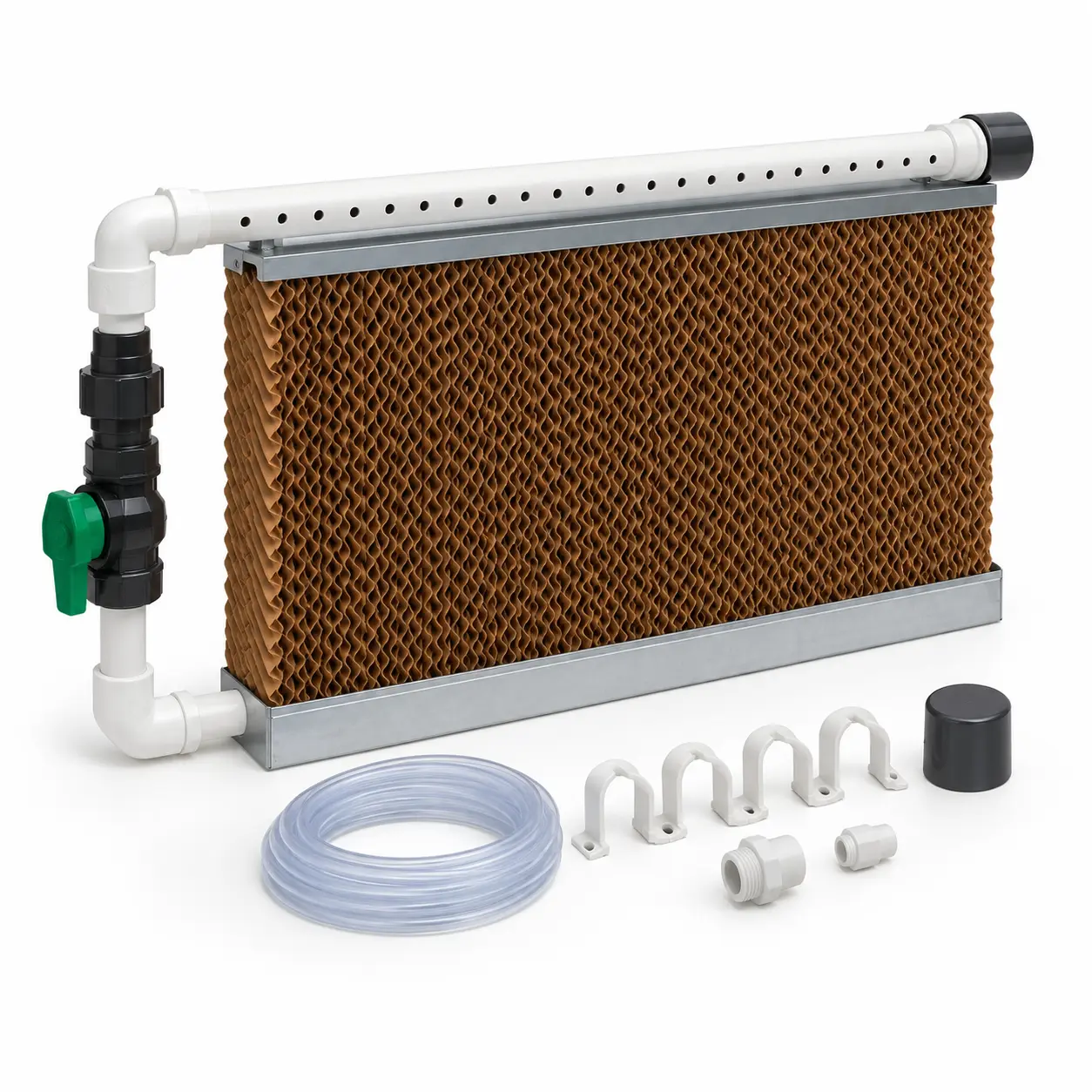
Header and control components for distributing recirculated water evenly across the top of an evaporative cooling pad. Final hole pattern, pipe diameter and flow must match the pad length, water quality and system design.
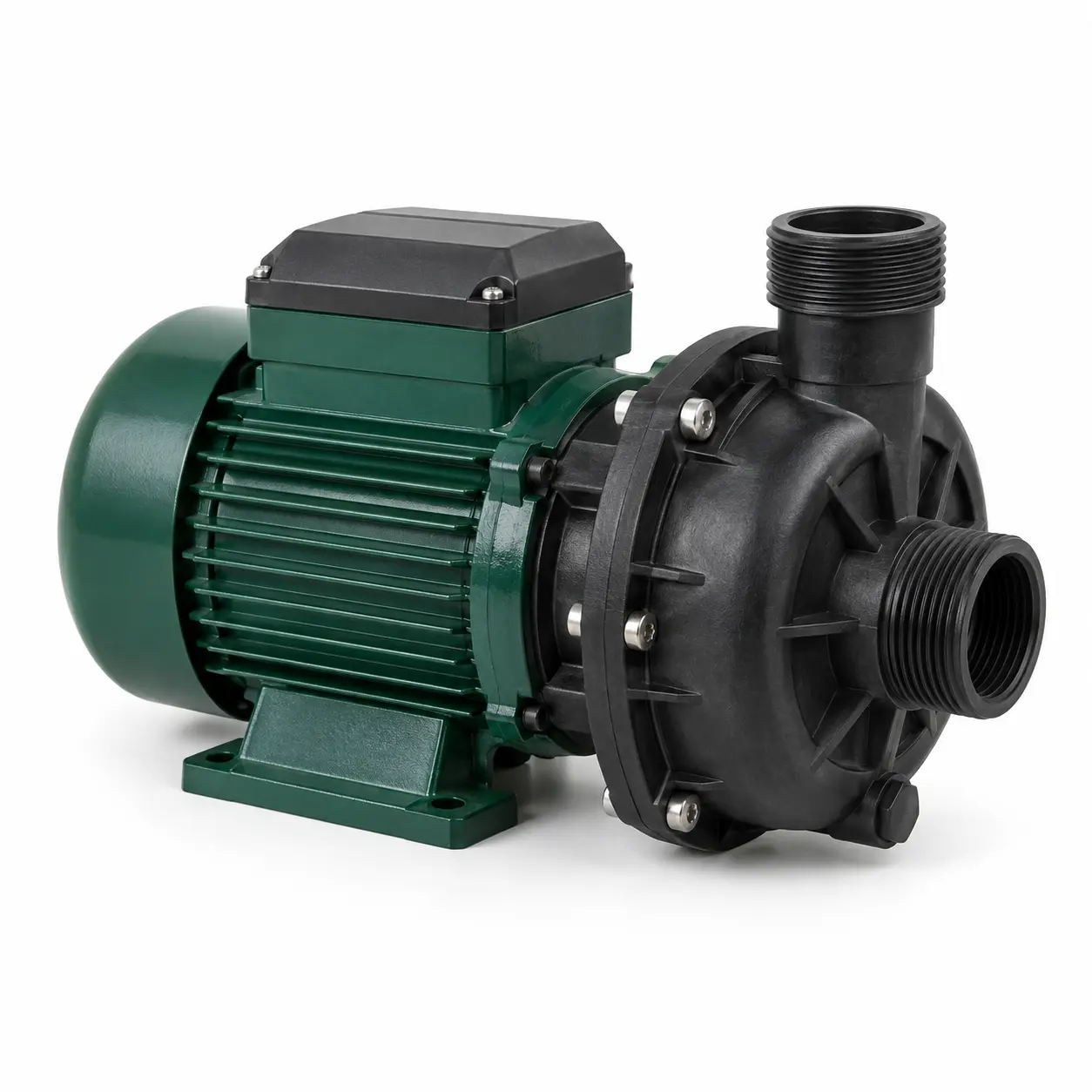
Centrifugal pump for recirculating sump water through greenhouse evaporative cooling pads. Size the pump for distribution flow and static head, provide a screened intake and protect it against dry running and scale buildup.
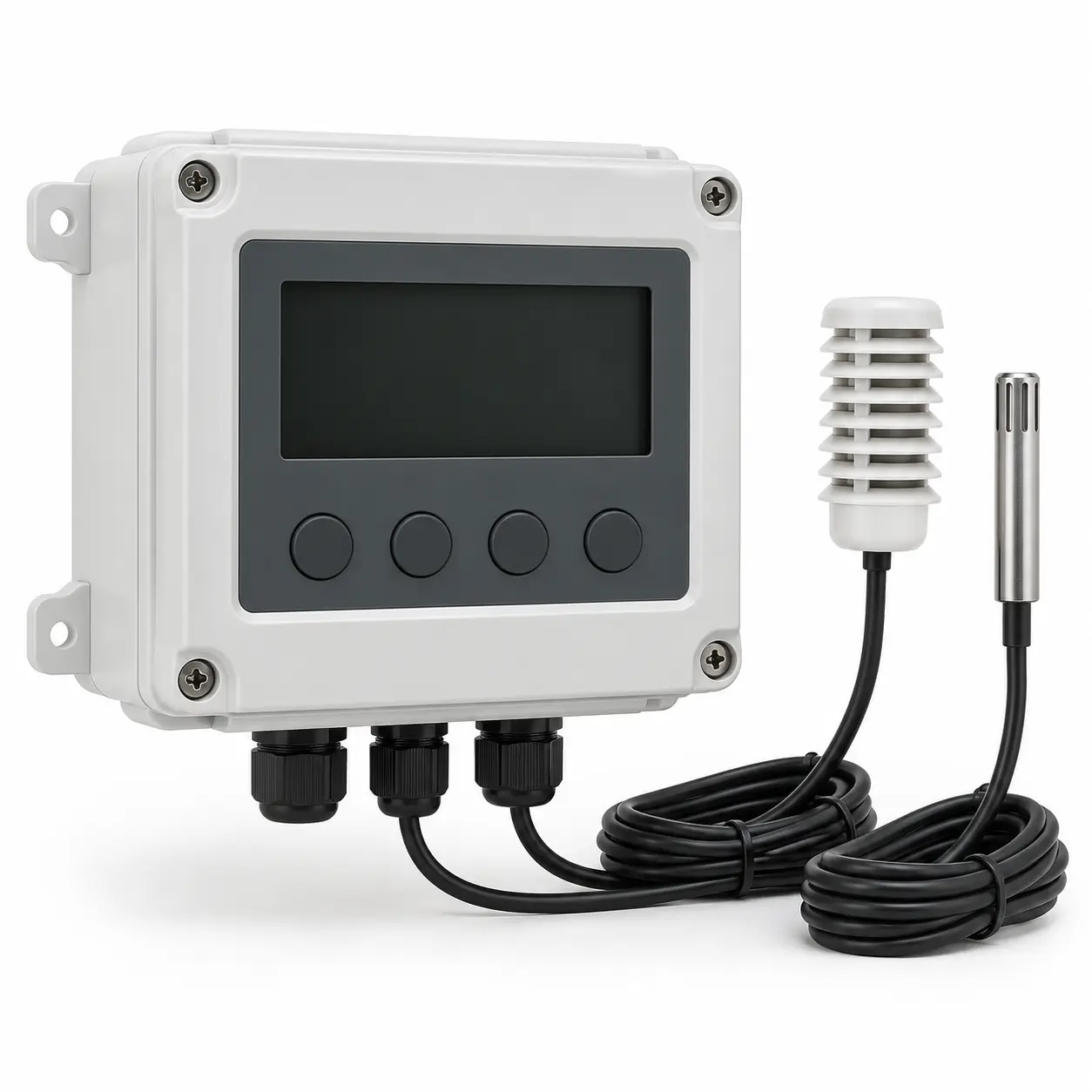
Wall-mounted controller for staging fans, cooling pumps, heaters or humidification equipment from temperature and relative-humidity measurements. Sensor placement, relay ratings, safety limits and control differentials must be configured for the crop and greenhouse.
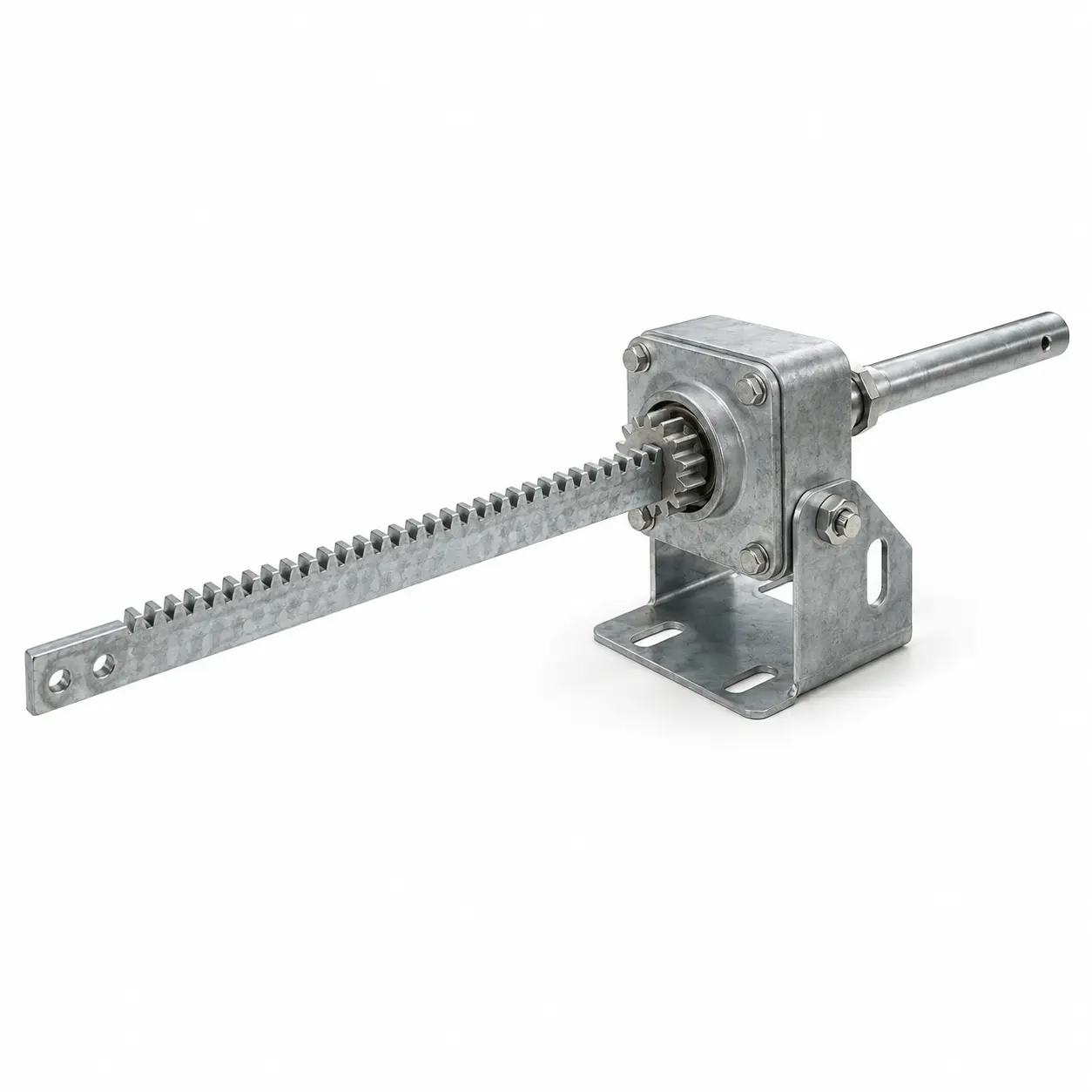
Mechanical drive set for converting rotating shaft motion into synchronized greenhouse roof-vent travel. Coordinate rack stroke, pinion spacing, shaft supports, motor torque and end limits with the approved ventilation design.
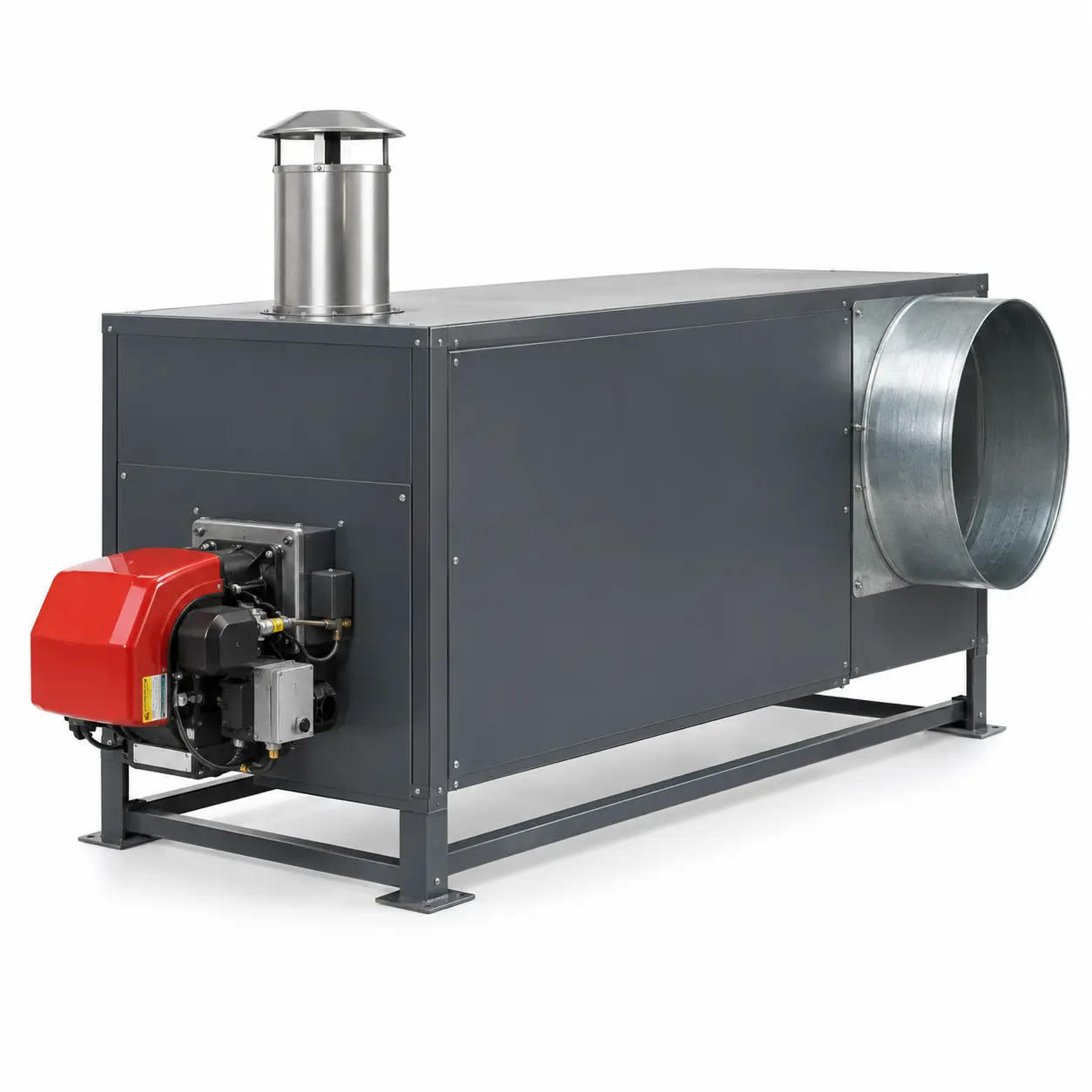
Indirect-fired warm-air unit that keeps combustion gases separate from greenhouse supply air. Heating load, fuel type, flue design, fresh-air provision and duct distribution require project-specific engineering and safety approval.
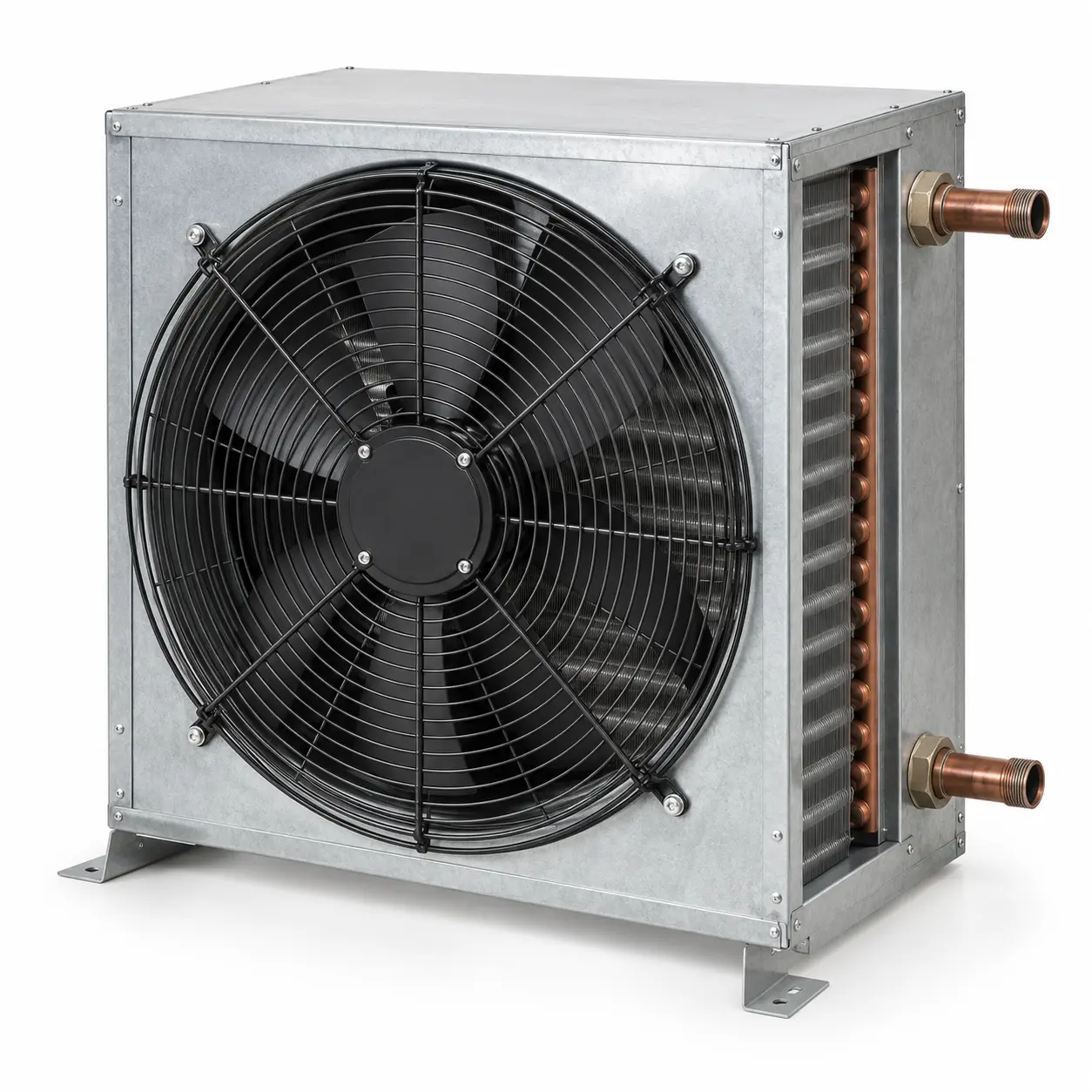
Fan-assisted heat exchanger for distributing heat from a central hot-water system through greenhouse crop zones. Select quantity from design heat loss and water temperatures, and coordinate mounting, piping, condensate protection and airflow.
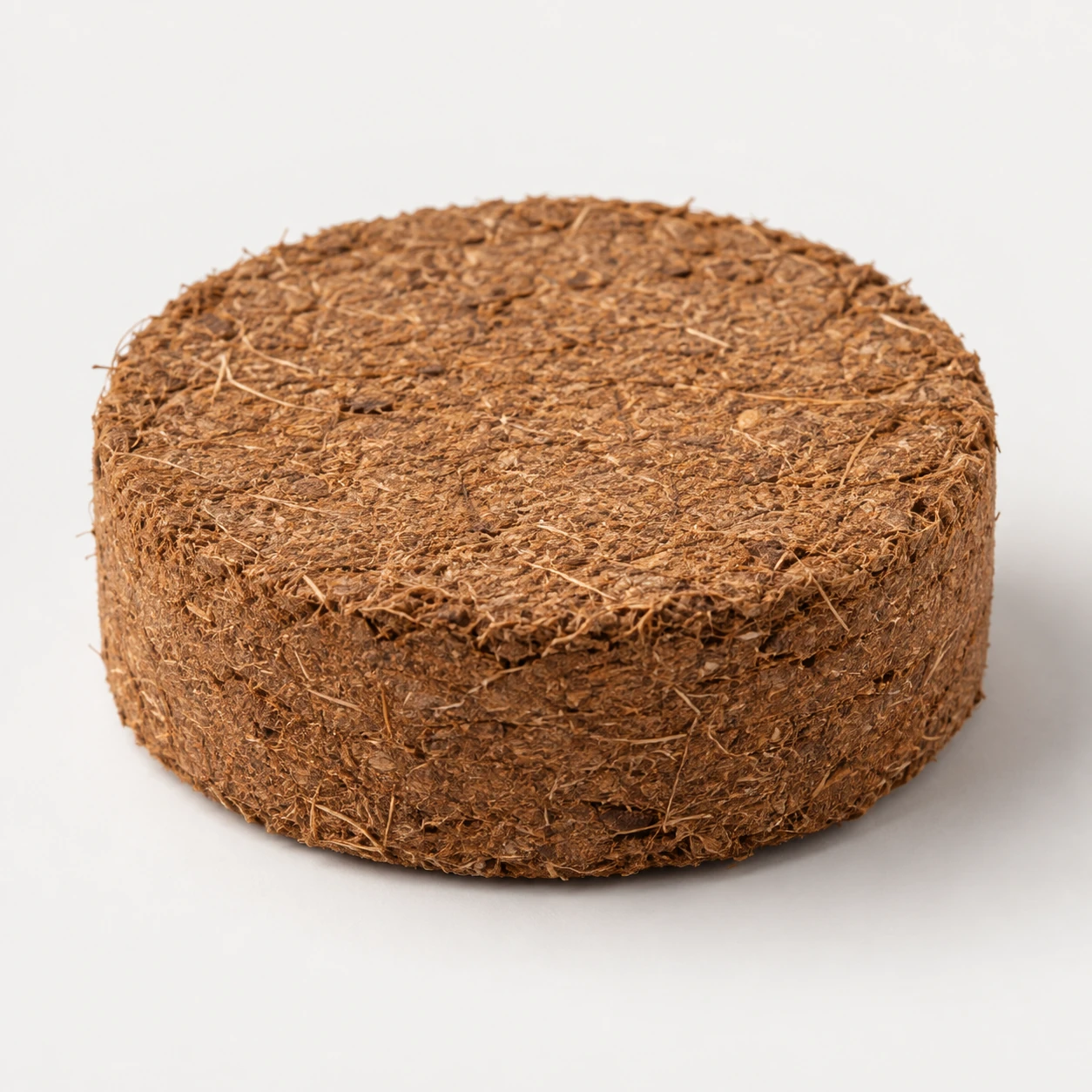
Compact coir propagation disc for seed germination and rooted cuttings. Hydrate gradually in a clean tray, allow full and uniform expansion, then confirm the expanded plug diameter and EC against the selected nursery tray and crop.
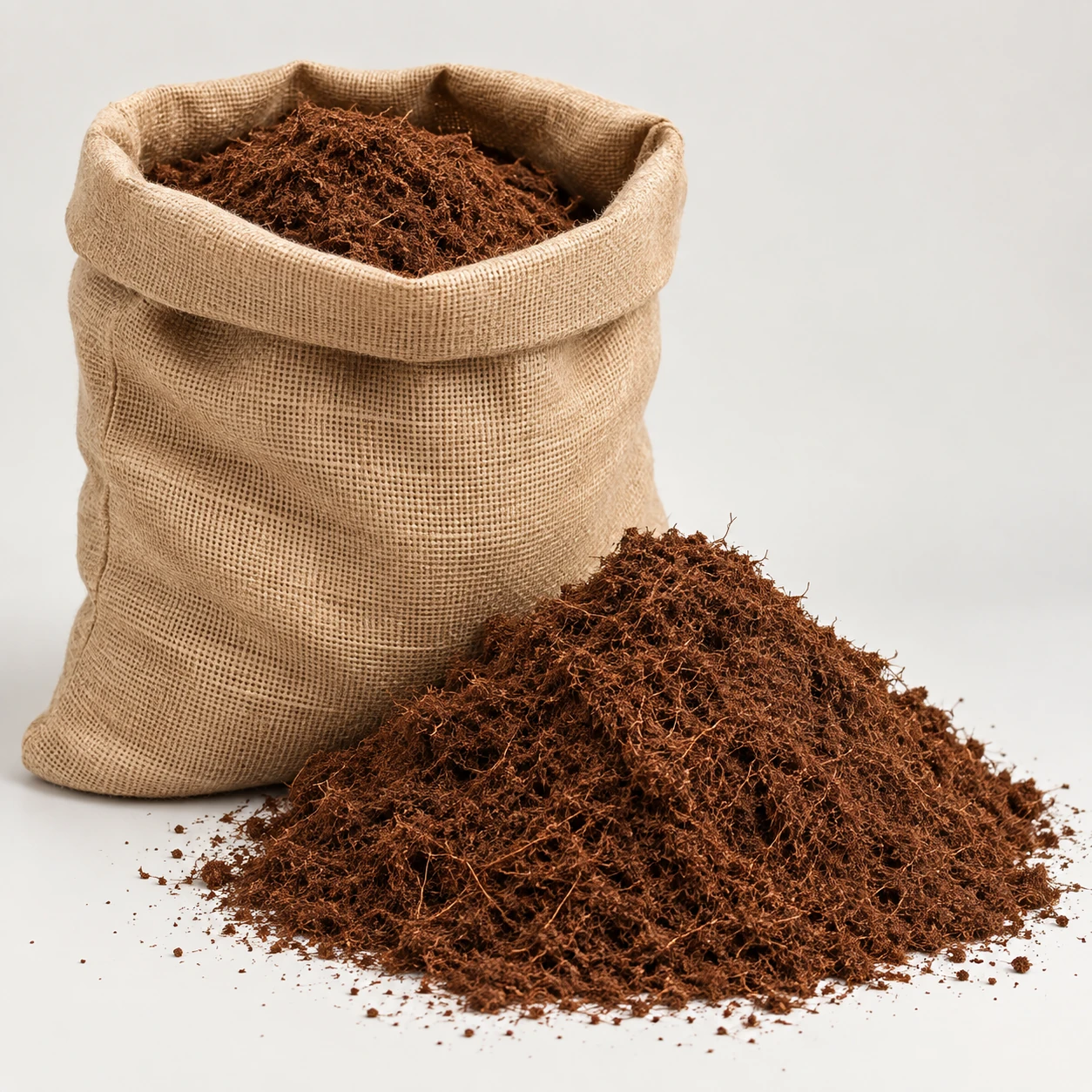
Washed loose cocopeat supplied for nursery, container and hydroponic substrate preparation. Confirm moisture-adjusted volume, pH, EC and sodium levels before blending; add coarse drainage material according to crop, pot depth and irrigation strategy.
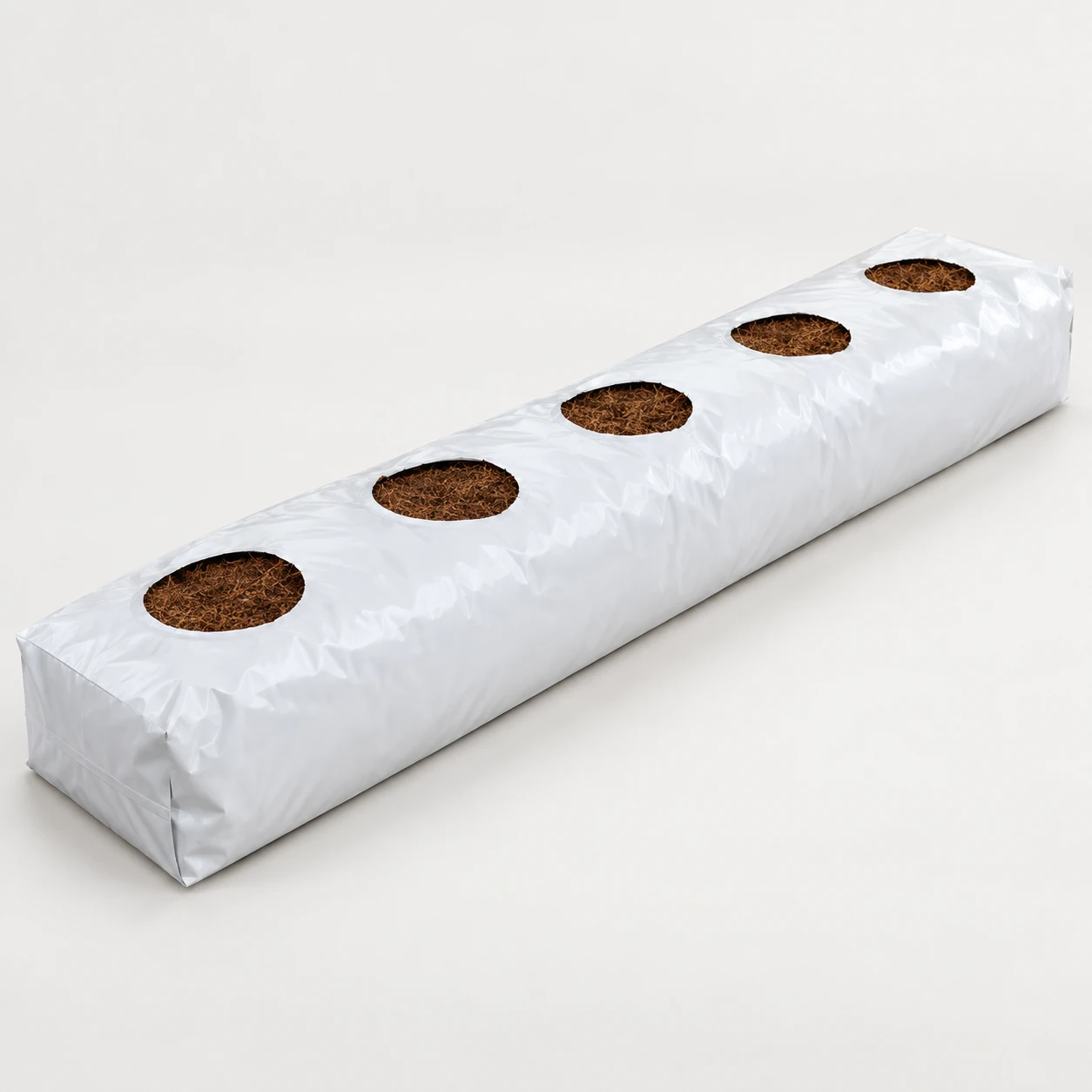
High-volume cocopeat grow bag for long-cycle greenhouse cucumber production. Confirm plant density, chip-to-pith ratio, buffered EC, dripper count and drain-hole positions before ordering, then manage irrigation using radiation and measured drainage.
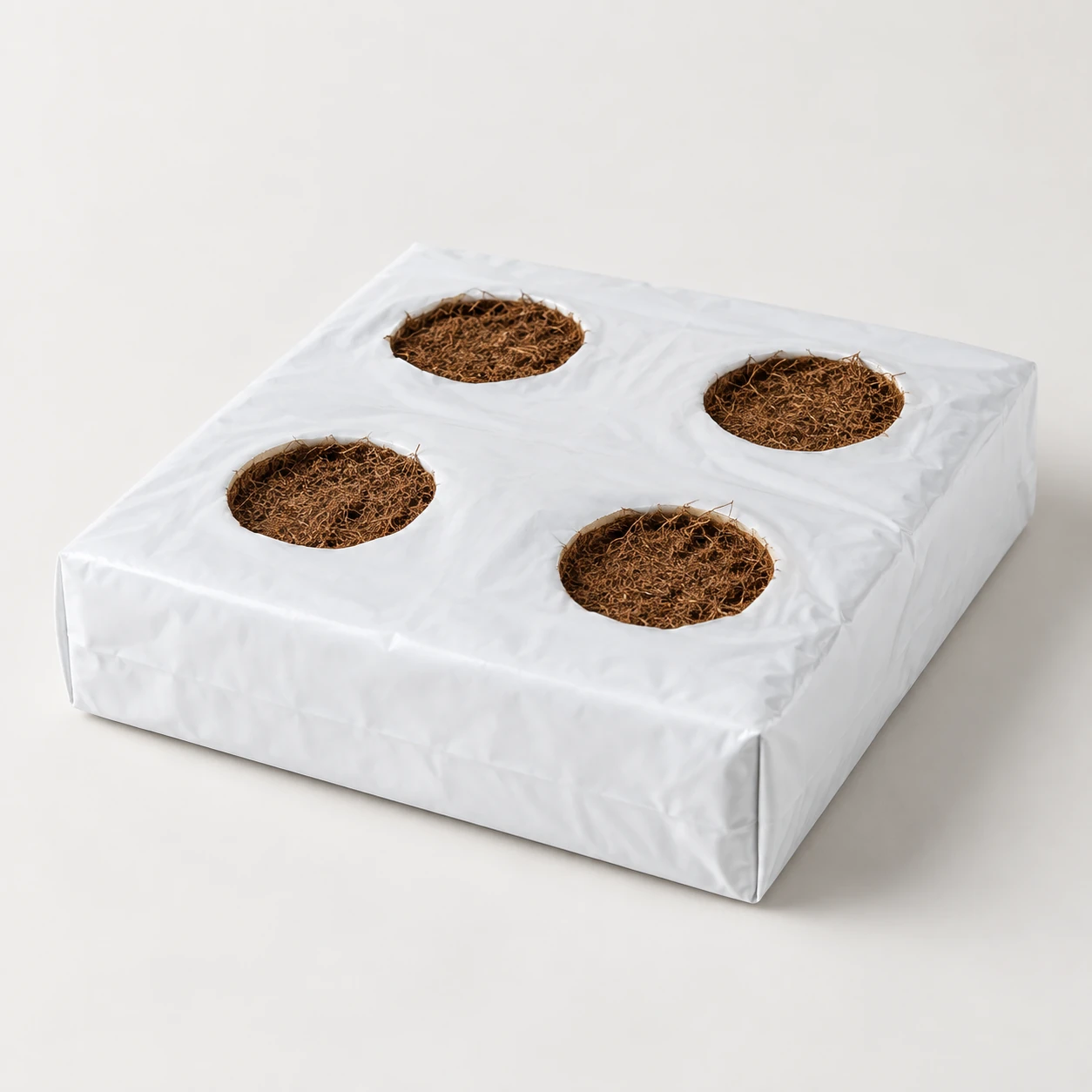
Four-position cocopeat slab for nursery finishing, mother plants and compact protected-crop layouts. The final substrate recipe, planting-hole diameter, drainage openings and irrigation points should be matched to container spacing and crop duration.
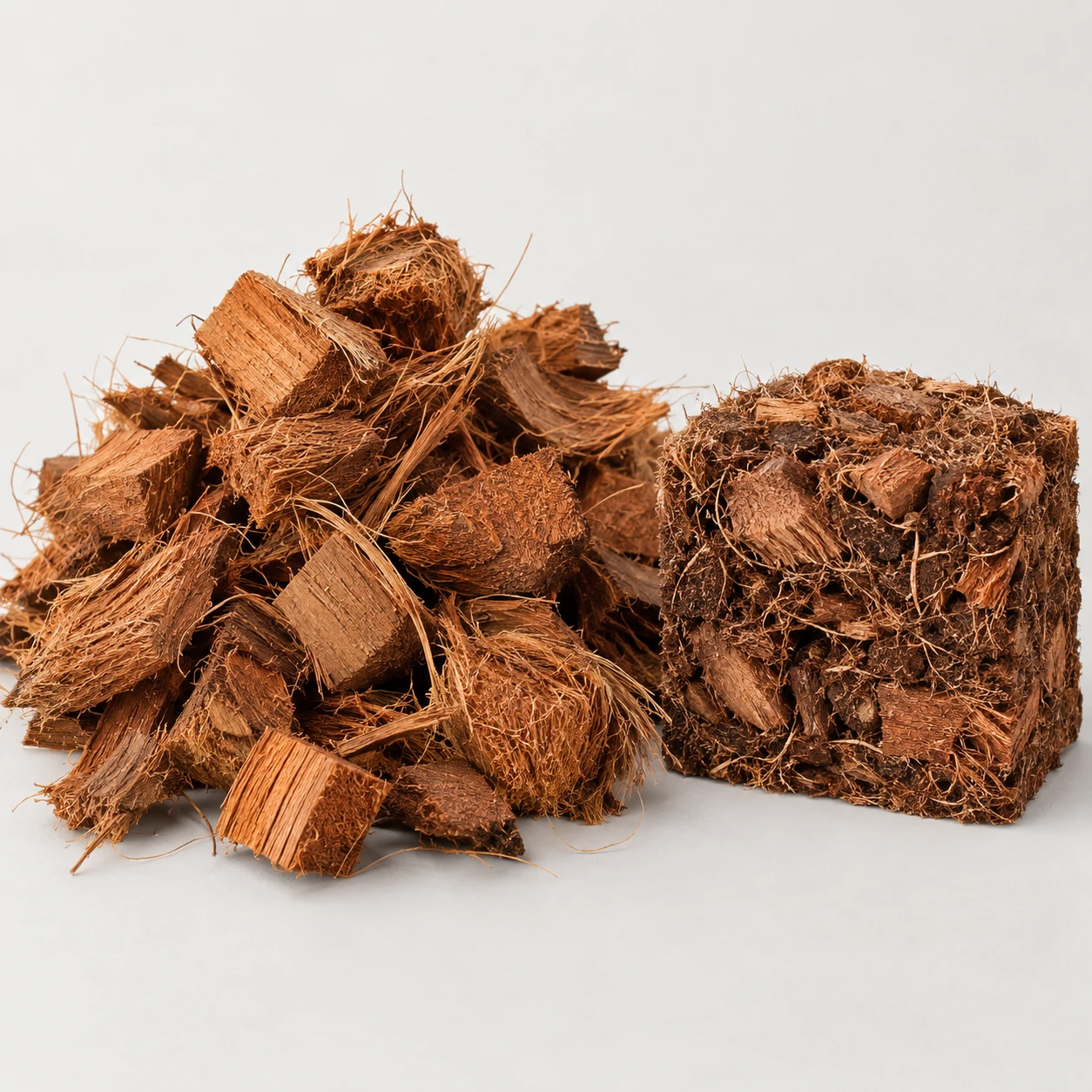
Coarse coconut-husk chips used to increase air-filled porosity and structural durability in cocopeat blends for long-cycle crops. Confirm chip size, washing and buffering, then trial the blend against container height, irrigation frequency and target drainage.
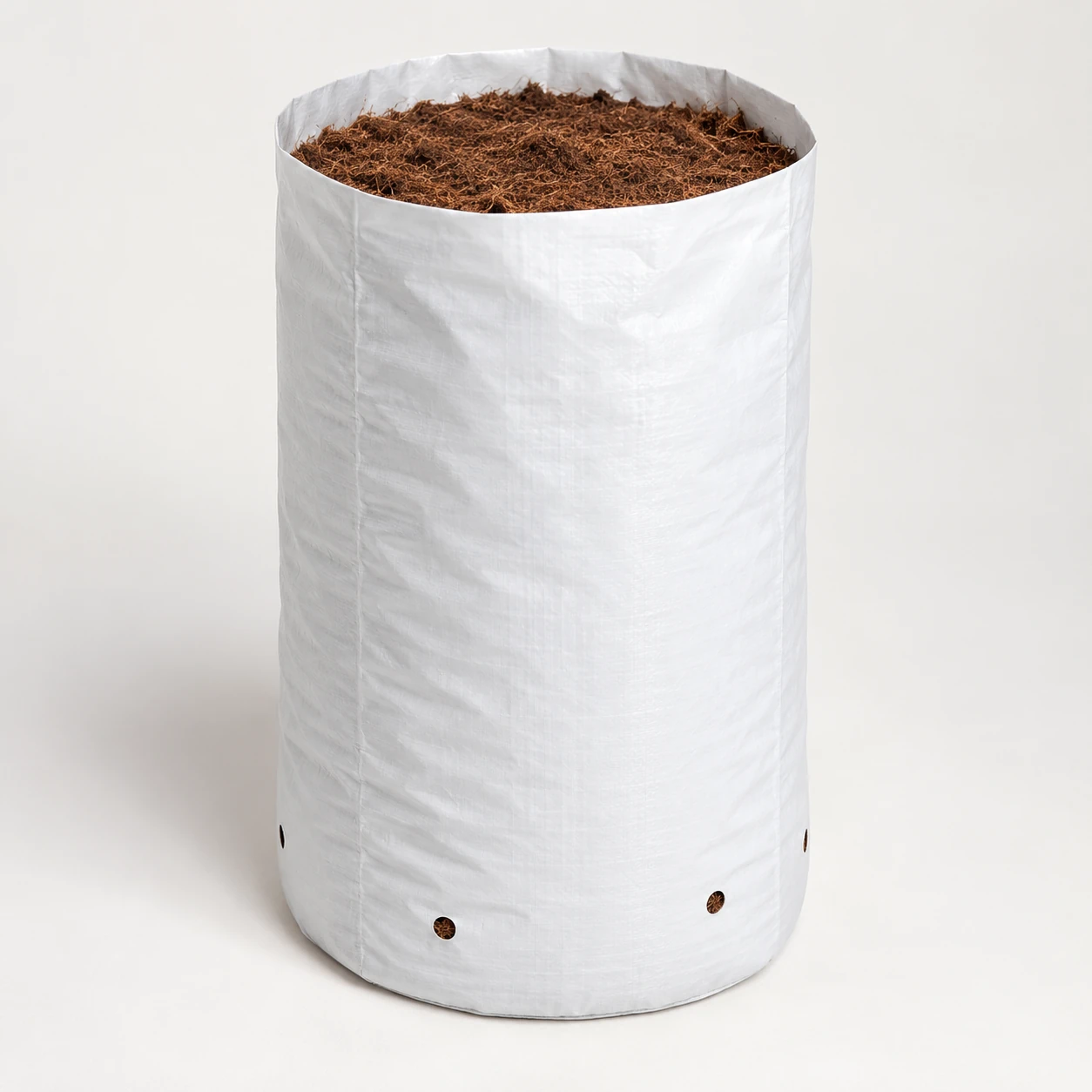
Tall cocopeat container designed for blueberry and other berry crops requiring a deep, aerated root zone. Confirm cultivar, target pH, substrate structure, irrigation-water alkalinity and drainage capacity before finalizing the bag and blend specification.